The Future of Work: Flexible and Location-Independent
Remote and hybrid work has become the standard. Discover how a virtual office supports this transformation while keeping you compliant.
The way businesses operate has changed permanently. According to recent CBS data, more than 60% of Dutch knowledge workers now work hybrid or fully remote at least part of the week — a structural shift that affects everything from talent strategy to office leases. The five-day, five-day-a-week office is increasingly the exception, not the norm.
But "remote-first" is not the same as "address-free." Companies still need a registered address, still receive mail, still meet clients. The infrastructure has to follow the work model — not lag behind it.
What Location-Independent Work Actually Requires
A virtual office supports this transformation by offering three things at once:
1. Location Independence
Your team can be anywhere — Amsterdam, Lisbon, Bali, or split across all three — while your company has a single legal home. This matters for tax substance, KVK reporting, and contract execution.
2. A Fixed and Compliant Business Address
The Belastingdienst, KVK, banks, and partners need a verifiable address. Without one, basic operations break down: VAT registration, BTW returns, banking, e-signatures. A virtual office gives you that anchor without locking you to a single physical location.
3. Access to Professional Facilities When Required
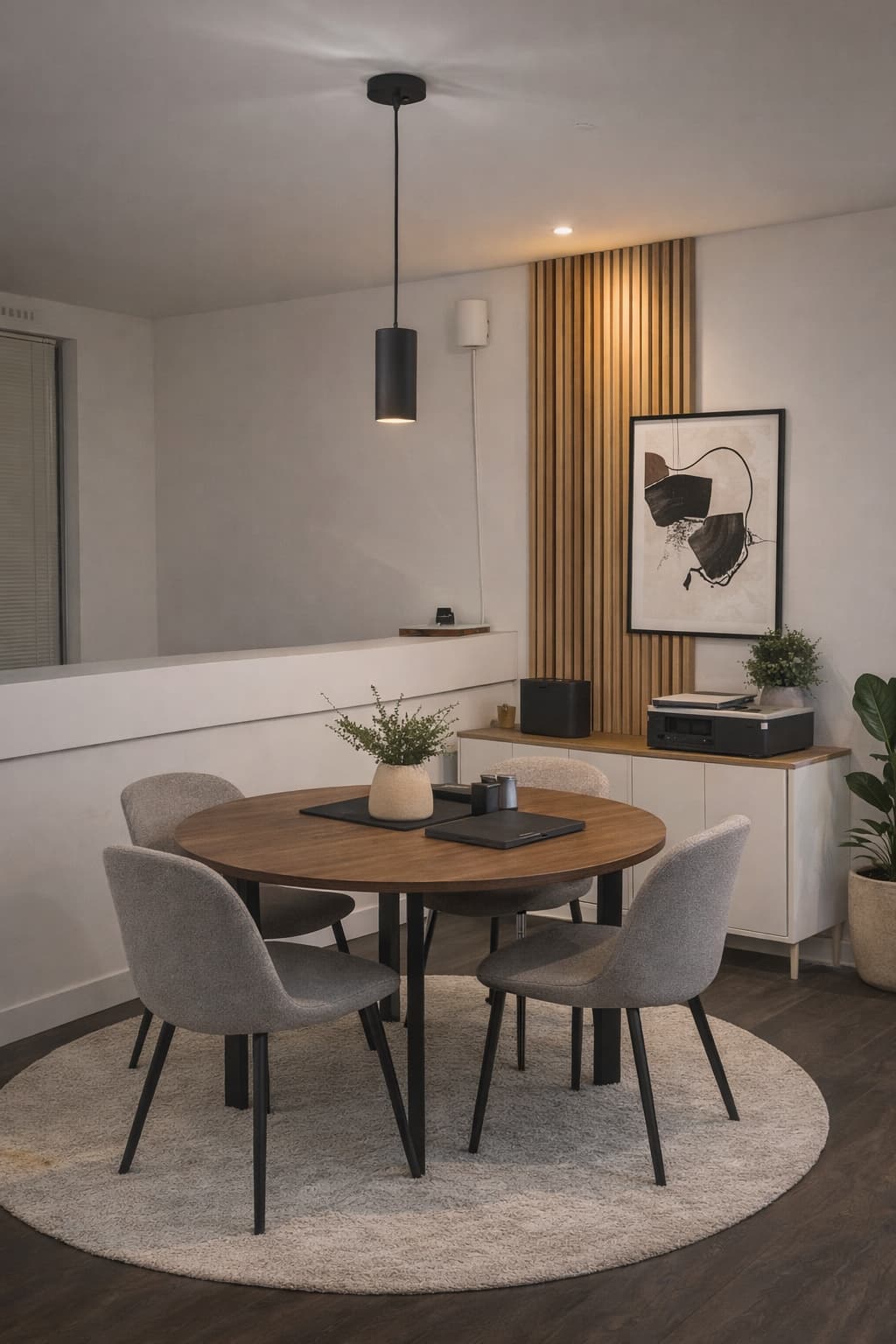
Most remote work happens in cafés and home offices. But the moments that matter — board meetings, investor pitches, notary appointments, key client visits — still need a professional space. On-demand meeting rooms cover those moments without the overhead of a permanent office.
Why This Hybrid Model Is Winning
The companies adopting this model report consistent advantages:
- Lower cost — no five-year lease, no fit-out, no unused desks
- Wider talent pool — hire anywhere your time zones overlap
- Better continuity — power outage, illness, or city shutdown does not stop the company
- Faster expansion — open a new market without opening a new office
For international companies, it removes one of the biggest barriers to entry into the Dutch market: the cost and commitment of a physical office.
What to Watch Out For
Location-independent work is not a free lunch. There are real considerations:
- Tax substance rules — some jurisdictions require demonstrable economic activity in the country of registration. A bare address with no activity is no longer enough; the address must come with substance (mail, meetings, contracts signed there).
- Team cohesion — fully remote teams need deliberate rituals to compensate for missing hallway conversations.
- Mail volume — physical letters from regulators still arrive. Someone has to read them quickly.
A well-run virtual office addresses all three: it provides substance, central infrastructure, and timely mail handling.
The Setup That Fits This Era
City Spaces Amsterdam supports this model by combining flexible service packages with reliable infrastructure. You pick the level of service your business actually needs — from a basic registered address to full reception, parcel handling, and meeting rooms — and adjust as your model evolves. The result is a business presence that fits how work actually happens in 2026, not how it happened in 2010.
Ready to set up your Amsterdam business?
Get a registered business address in 24 hours, with full KvK compliance and professional mail handling.
VIEW PLANS